• 記事

アップフラッシュトイレの設置:配管が届かない場所にトイレを増設する最も簡単な方法

2026年4月9日

ウィリアムによる

Is upflush toilet installation the fastest way to add a toilet without breaking floors or where plumbing can’t reach?

Last week, a young couple called me, their voices full of frustration. They had just moved their aging parents into their home in Hanoi, but the only bathroom was upstairs.

The thought of their parents struggling with the stairs was a constant worry, but the idea of jackhammering their concrete floor for new pipes seemed like an even bigger nightmare.

I know how stressful it feels when your home doesn’t perfectly fit your family’s needs. The good news is, you don’t have to be locked into your home’s original plumbing layout.

I always tell families that upflush toilets allow you to add a bathroom in almost any location, including a basement, where traditional plumbing would be difficult. From my experience, upflush toilets are ideal for retrofit projects where traditional plumbing is not feasible.

There is a solution that avoids months of construction, and it’s simpler than most people think.

What Is an Upflush Toilet and Why It’s a Game-Changer

From my heart, the best solutions are often the ones that work smarter, not harder. A traditional toilet needs gravity and large pipes under the floor. An upflush toilet, however, changes the game completely.

Instead of relying on gravity, it uses a macerator pump to grind waste and toilet paper into a fine slurry. According to Today’s Homeowner (2025), this allows the waste to be pumped away through small-diameter pipes to the main drain line.

This makes it the only practical choice for basements, attics, garages, or any room built on a solid concrete slab. Upflush toilets turn unusable space into valuable living areas without jackhammering floors.

In fact, Home Bath Review (2025) notes that this method can reduce installation costs compared to rerouting traditional plumbing, which matches what I’ve seen on projects all across Vietnam.

How Upflush Toilets Bypass Gravity Limitations

Here’s a simple explanation of how upflush toilets bypass gravity: When you flush, waste enters a sealed unit where a macerator or grinder pump turns it into a fine slurry. A powerful pump then sends this slurry upward through a small pipe to your main sewer line.

Because the pump does all the work, you don’t need gravity or traditional under-floor pipes. It’s important to note this is different from a sewage ejector pump, which is another type of system.

Upflush vs. Standard Toilets: What Works Better Where Pipes Don’t

A standard toilet is completely dependent on having big drainpipes right below it. An upflush system is independent. This makes it the only practical choice for basements, attics, garages, or any room built on a solid concrete slab.

Upflush toilets are especially ideal for retrofit projects where traditional plumbing is not feasible. Some upflush toilets are available as a combo unit, capable of handling waste from a sink or shower in addition to the toilet.

Upflush toilets turn unusable space into valuable living areas without jackhammering floors.

Cost Estimation for Upflush Toilet Installation in Vietnam

ItemEstimated Cost (VND)Notes
Upflush Toilet System12,000,000 – 22,000,000Includes macerator pump and toilet (e.g., Zoeller Qwik Jon, Saniflo Saniaccess 3).
PVC Discharge Pipe (10m)500,000 – 1,000,000Schedule 40 PVC, 3/4-inch or 1-inch, based on sewer line distance.
チェックバルブ300,000 – 600,000Brass or PVC valve for backflow prevention.
Electrical Setup (GFCI Outlet)1,000,000 – 2,000,000Includes electrician labor and GFCI outlet installation.
Labor (Professional Installation)2,000,000 – 5,000,0004–8 hours; DIY can eliminate this cost.
Additional Fittings (Hose, Clamps)200,000 – 500,000Flexible hose, hose clamps, and adaptors for pump connection.
Total Estimated Cost16,000,000 – 31,100,000Excludes permits or additional plumbing (e.g., sink/shower combo unit).

Note: Cost estimates are based on 2023–2024 global pricing from Saniflo, Zoeller Pumps, and Big Frog Supply, adjusted for Vietnam’s 4–5% annual inflation rate and Hanoi’s urban market trends (World Bank). Local supplier data (e.g., Hoa Sen Group for PVC pipes) and electrician rates in Hanoi were also considered. For precise costs, consult Zoeller Vietnam or local plumbing suppliers.

Pre-Installation Checklist Every Homeowner Must Follow

What I’ve learned from thousands of installations is that good preparation is the key to a smooth, worry-free process. Taking care of these details first makes all the difference.

  • Always measure the space and pipe lengths before starting installation to ensure a proper fit and alignment.
  • The homeowner needs to review all installation requirements and local regulations before starting the upflush toilet installation.
  • Make sure you have clear access to all plumbing connections and internal components before beginning the installation process.
  • Review venting requirements and check for a suitable location for the vent pipe before starting installation.
  • If the main sewer line is farther away, plan for an extension pipe to connect the upflush system.

Step-by-Step Visual Guidance

I suggest you watch a real Zoeller Qwik Jon installation at https://vn.zoeller.com/videos/. Seeing it done helps you understand just how simple it can be.

How to Install an Upflush Toilet Step by Step

The moment everything clicks for my clients is when they see how quickly installing the system comes together. There’s no need for months of chaos.

  • Mark Layout and Position Macerator Unit Accurately: I start by installing and placing the toilet and pump unit exactly where you want them. A typical layout for a Zoeller Qwik Jon is simple, with the pump sitting discreetly behind the toilet bowl.
  • Connect Discharge to Vertical or Lateral Lines: The small discharge pipe is connected and run to the main sewer line. If the main sewer line is farther away, an extension pipe can be used to reach it. This pipe is small enough to be hidden inside a wall or ceiling. A flexible hose may be used to connect the toilet to the pump or discharge pipe, allowing for easier alignment and installation.
  • Install a Check Valve in the Discharge Line: It is important to install a check valve in the discharge line to prevent backflow into the upflush system.
  • Electrical Connection – Review the Security of Your Connection: The security of your connection here is everything. The pump must be plugged into a special safety outlet called a GFCI. This outlet is specifically designed to protect a human from any electrical problems, instantly shutting off the power if it detects an issue. This simple but vital connection is what guarantees your family can use the new bathroom without a single worry.
  • Mount, Seal, and Lock Fittings in Place: Every fitting is mounted, sealed, and tightened to ensure a watertight, permanent installation.
  • Perform First Flush Test: The final step is testing. I flush the toilet multiple times to ensure the pump runs quietly and there are absolutely no leaks.

Find the official Zoeller Qwik Jon® installation video on YouTube and get confident before you begin: https://www.youtube.com/watch?v=kX4XZ-kU-f0
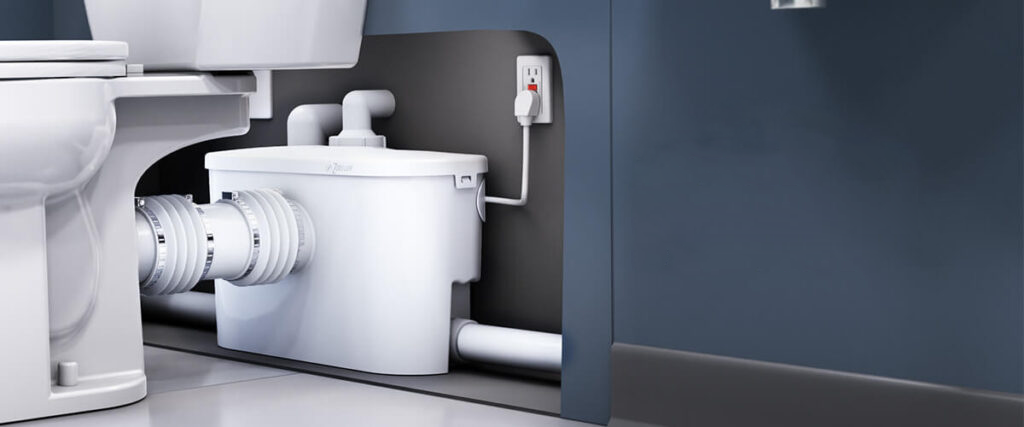
The Zoeller Qwik Jon® will make toilet installation easy and fast for saving you time, effort, and unnecessary hassle

Final System Check: What Needs to Be Reviewed Before Proceeding

Verification successful, waiting on final connection before proceeding

After all the joints are sealed and the power is connected, the installation itself is essentially complete. This is the moment I call “verification complete”; I am just waiting on one last step before the first flush.

This is when I pause for a few minutes after making that final connection. I check that the power breaker is on, all the hose clamps are tight, and the pump is sitting perfectly quiet. This brief wait is my chance to spot any immediate issues before I send the first drop of water through the system.

If your system doesn’t respond, here’s what needs to be reviewed first

Sometimes, a new system doesn’t respond on the first try, and I know how disappointing that can be. But the good news is, the fix is almost always very simple. Here’s what needs to be reviewed first:

  • Power Supply: Is the pump plugged in securely? Has the GFCI outlet tripped? A simple press of the reset button often solves the problem.
  • Water Valve: Is the water supply valve to the toilet tank fully open?
  • Blockages: Is there anything blocking the vent pipe?

Frequently Asked Questions

How long will an upflush toilet really last?

From my experience, a quality system lasts 10 to 15 years with proper care, comparable to a traditional toilet. The Zoeller units I install are built to this standard.

Will this work during the monsoon season and power cuts?

Yes, it works in both situations. The sealed system isn’t affected by groundwater during monsoon season. During a power cut, you can manually flush it with a bucket, and the unit will safely contain the waste until power is restored.

Can I connect a sink or a shower to the same pump?

Yes, absolutely. Many modern systems are ‘combo units’ that can handle a sink and shower. For example, the Zoeller Qwik Jon models I use are designed specifically for this, allowing you to build a complete bathroom anywhere.

Also Read : Smart Upflush Toilet Options for Contemporary Vietnamese City Homes


This article is by Tân Nguyễn, a Licensed Master Plumber and Technical Content Specialist at Zoeller Vietnam, with 15 years of experience in plumbing and pump technology.

Disclosure: I am a technical specialist at Zoeller Vietnam, where I work with upflush toilet systems regularly. While this article includes references to Zoeller products, the insights shared are based on my personal experience in the field and not influenced by compensation for this content.