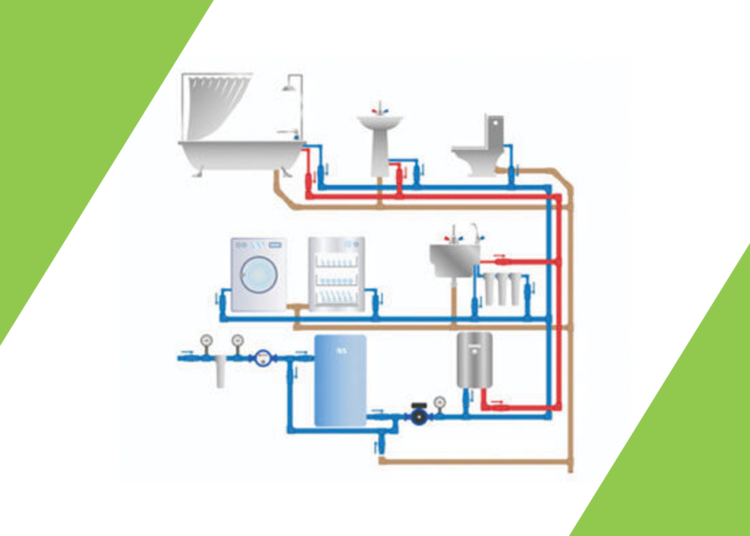
I often hear the stress in homeowners’ voices, like a young couple in Da Nang who felt stuck when the cost of installing traditional drainage for a new basement bathroom was too high.
They, like many others, believed their dream was out of reach, a feeling I’ve encountered for over 15 years helping families across Vietnam.
The good news is, there is a solution that doesn’t require breaking floors or destroying your budget. The most effective method is a modern above-floor toilet system, also known as an upflush toilet. This impressive technology gives you the freedom to install a bathroom almost anywhere in your house.
Key Takeaways:
- Cost-Effective: From my experience, this system saves you thousands over traditional installation.
- Flexible Design: I’ve found it allows you to easily install a bathroom in challenging spaces.
- Fast Installation: The installation time for this system can be completed in just one session.
- Professionally Trusted: I trust reliable products that are improved based on feedback from professional tradespeople.
What Is an Upflush Toilet System and How It Works
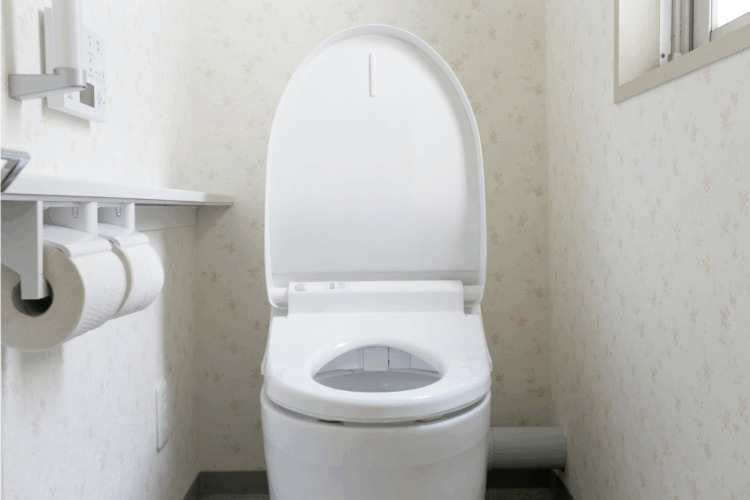
Let me explain it simply for you. Instead of relying on gravity to pull waste down into pipes under the floor, an upflush toilet system uses a special pump with cutting blades. What I find convenient is that these often look just like a standard old toilet, providing a clean, polished look for your bathroom.
What I particularly like about upflush toilet systems is that they are known for their simple installation, with a user-friendly setup that makes adding a bathroom quick and straightforward.
When you flush the toilet, the waste goes into a sealed box behind it. Inside, a grinder turns everything into a fine slurry, and a quiet, powerful pump pushes it through a small drain pipe installed either inside the wall or surface-mounted.

The key thing to note here is that this pipe connects to your home’s main soil pipe, which can be far away or even overhead. For wall-mounted WCs, we (plumbers) typically use prewall installation frames and concealed cisterns for secure and efficient mounting of the WC fixture with specialized fixing technology.
And here’s a piece of advice from me: Careful construction planning and assembly are essential for a successful upflush toilet installation, ensuring all components are properly integrated.
According to Star Water Systems (2025), because these systems don’t require below-floor plumbing, they are an excellent choice for adding a bathroom on top of an existing concrete floor.
Key Components of an Upflush Toilet System
The beauty of this system is its simplicity. Here are the main parts you’ll work with:
- The Pump with Cutting Blades: From my experience, this is the heart of the system, a powerful pump with cutting blades housed in a sealed unit located behind the toilet.
- The Toilet Bowl and Cistern: I always stress the importance of aligning these perfectly to ensure a secure, leak-free fit.
- Compatibility: Many clients ask if these systems work with bidets or urinals, and the answer is yes. I often use the provided hardware to mount them securely.
- Discharge Pipe and Venting: A small pipe carries waste from the pump to your main drainage line, and as any plumber knows, proper venting is essential for the system to work correctly.
This setup is what truly breaks plumbing boundaries. According to home advice site LuxWisp, these systems give you incredible flexibility, allowing you to install a toilet up to 5 meters below the main drain line or 1up to 45 meters away from it.
This gives you the freedom to place a new toilet, shower, or even a kitchen sink where it was once impossible.
How to Choose the Right Upflush Toilet System
When you’re ready to choose a system, the options can seem confusing. Here is what I tell families to look for:
- For Small Spaces: If you’re converting a small closet or the space under the stairs, look for a compact, round-front bowl. Measure your space carefully.
- For a Full Bathroom: If you want to add a shower and sink, you need a system designed for multiple fixtures. The Zoeller Qwik Jon Premier, for example, has extra inlets to handle a sink and a tub or shower, creating a complete bathroom.
A word of advice from my years in the field: To ensure a secure and leak-proof setup, avoid the temptation of cheap, no-name systems with their weak pumps and poor watertight seals, and always confirm the closet flange and connections are in good condition before you begin.
From what I’ve seen, high-quality systems make replacing old or damaged toilets or components much easier, and many have parts that can be replaced without special tools, reducing maintenance hassle. If a system fails, I know that a quick replacement with a new unit will minimize downtime.
For this reason, I consistently recommend the Zoeller Qwik Jon for its excellent quality and reliable performance. You can learn more about the product and see the quick install process here: https://www.youtube.com/watch?v=kX4XZ-kU-f0
From Old Toilet to New System in One Day
Trust me, removing your old toilet is a straightforward process you can handle in a single afternoon. After shutting off the water and disconnecting the unit, simply unbolt and remove it. Before proceeding, I always stress the importance of ensuring the closet flange is in good condition.
The real advantage I see with an upflush system is the freedom it gives you. You can install the new toilet in its original spot or an entirely new location.
I find this technology is the perfect solution for a damaged or offset soil pipe, as you can cap the old connection and avoid the costly nightmare of breaking concrete.
Step-by-Step Guide to Installing an Upflush Toilet System
Tools You’ll Need Before Starting
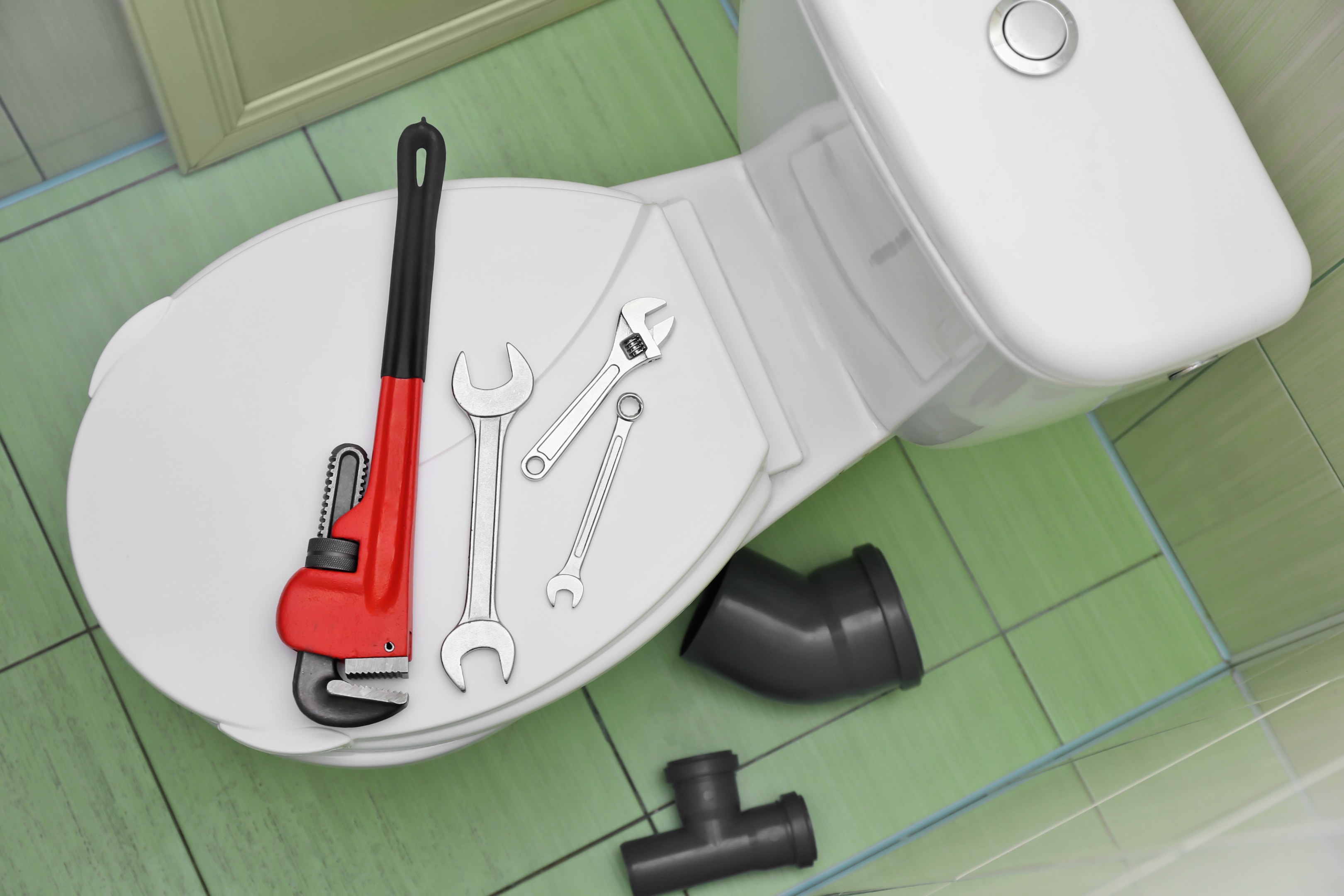
The good news is you don’t need a truck full of specialized equipment. In my experience, you’ll just need the right tools and should also gather all necessary materials, such as pipes, fittings, and sealant, before starting the installation. Most of these you may already have:
- A pencil for marking
- An adjustable wrench and screwdriver set
- A level
- A power drill (for drilling holes to secure the toilet or pump unit)
- Silicone sealant to create a watertight seal
Watch This First: A Visual Walkthrough
I highly recommend that you watch the entire easy installation of the Qwik Jon system at https://vn.zoeller.com/videos/. I believe this video will give you the confidence that this is a job you can handle.
From Unpacking to Watertight Seal: A Simple Checklist
Here’s the simple process I walk homeowners through. Follow these steps, and you’ll do a great job.
- Start with the Instructions: Before you do anything else, read the manufacturer’s instructions. This is the most important step to ensure everything fits together perfectly.
- Assemble and Secure the Toilet: First, position the pump unit where you want it. Then, carefully connect the toilet bowl to the pump and use the provided bolts to secure it firmly to the floor. Finish by attaching and tightening the toilet seat.
- Connect Plumbing and Power: Connect the small discharge pipe from the pump to your main soil pipe, then connect the cistern to the cold water supply. For the crucial safety step, you must connect the pump to a GFCI-protected electrical outlet.
- Test and Seal: This is the step I always take the most care with. Turn the water back on and flush several times, checking every connection for leaks. Once you’re certain it’s watertight, apply silicone around the base for a clean, polished look.
Frequently Asked Questions
Will this upflush toilet system really work during the heavy rains of monsoon season?
Yes, absolutely. Because the system pumps waste up and away, it doesn’t rely on underground pipes that can be affected by high water tables. I have installed hundreds of these in homes across Vietnam, and they provide reliable drainage year-round, which gives families tremendous peace of mind.
How much will this system really cost in Vietnam compared to traditional plumbing?
While prices vary, you will save a significant amount of money. The main saving comes from avoiding major floor demolition. A traditional bathroom can cost thousands just for the concrete and plumbing work, while a quick install toilet system avoids all that, making the total project cost much lower.
How does the system not smell if everything is in the room?
This is a very common and important question! The entire system is completely sealed like a modern appliance. There is a watertight seal on every connection. Additionally, high-quality systems like the Qwik Jon include a charcoal filter on the vent, which neutralizes any odors before they can escape, so your bathroom always stays fresh.
Also read: Next-Generation Smart Upflush Toilet Systems for Urban Living in Vietnam
This article is by Tân Nguyễn, a Licensed Master Plumber and Technical Content Specialist at Zoeller Vietnam, with 15 years of experience in plumbing and pump technology.
Disclosure: As a Zoeller Vietnam employee, I reference Qwik Jon systems, but this guide applies to brands like Saniflo and Liberty Pumps. Upflush toilets require electricity and regular maintenance (e.g., cleaning every 6–12 months).