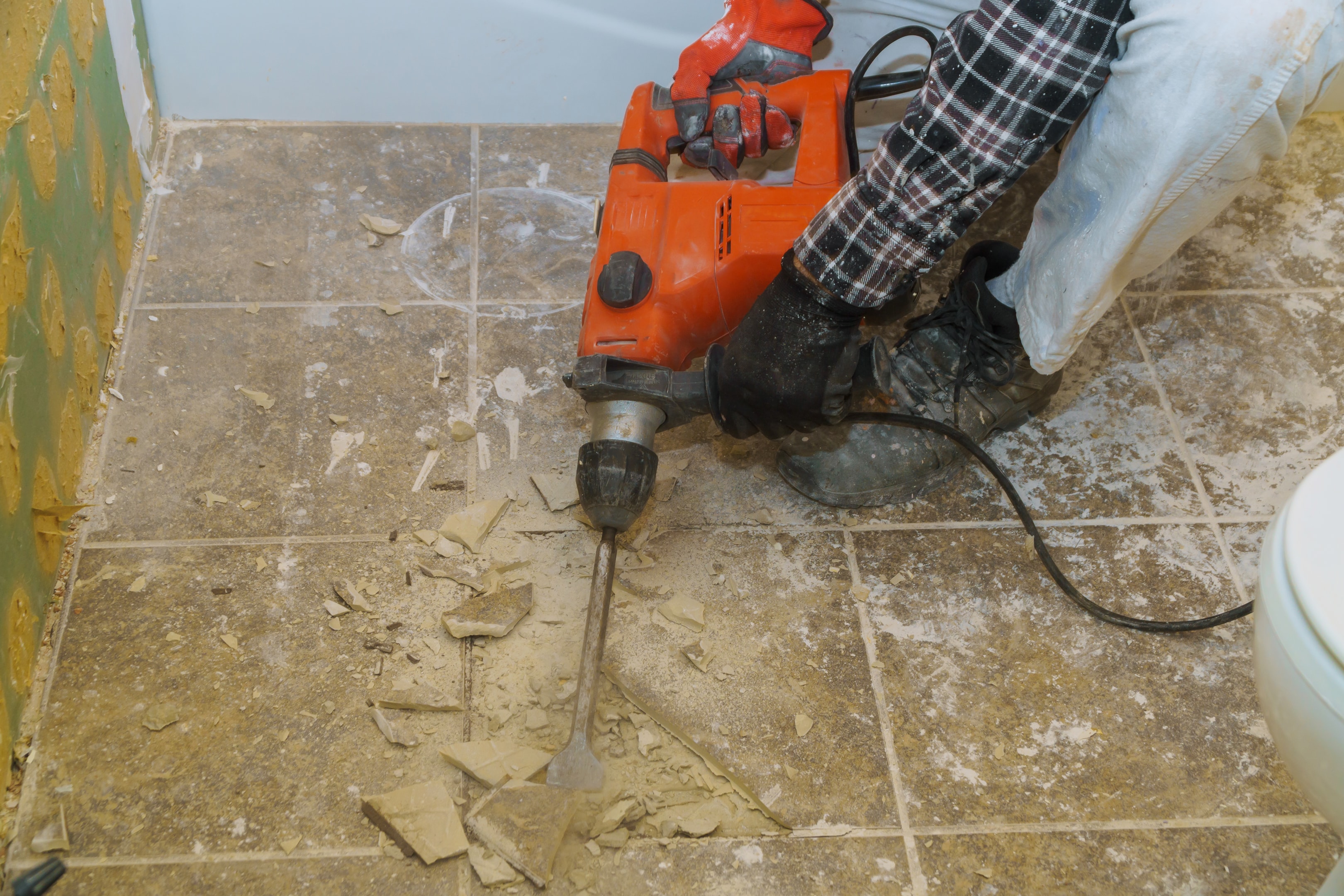
Last week, a worried homeowner called me from Da Nang. Her basement bathroom project had spiraled into a nightmare. A contractor insisted she must jackhammer through the concrete floor. She feared cost, dust, leaks, especially with monsoon season coming fast.

“Nobody should have to choose between family comfort and home safety,” I told her. “The good news is, this problem is completely solvable, and you don’t need to destroy your floor.” The relief in her voice was immediate. Deciding to add a bathroom in the basement is often worth putting in the effort, as a new basement bathroom can increase your home’s value and comfort.
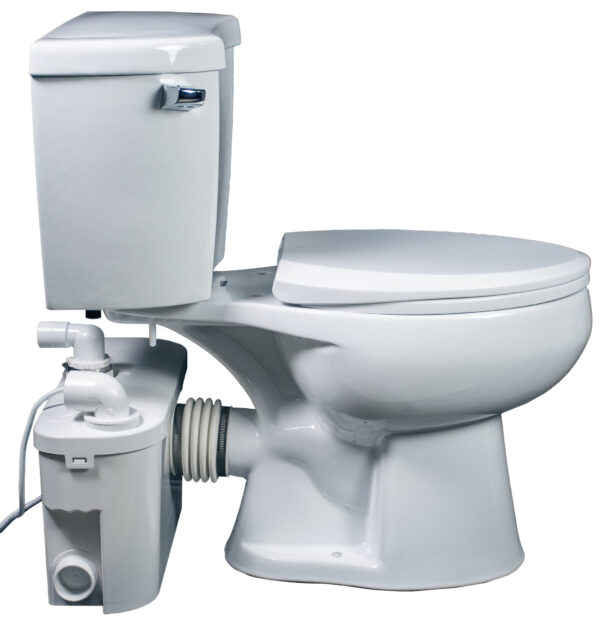
This is why I often introduce homeowners to pump technology like Zoeller’s upflush systems, which allow families in Vietnam to add bathrooms without this kind of destruction.
I’ve spent over 15 years working on plumbing systems across Vietnam. Every family deserves a bathroom that works perfectly even in tight, tropical homes.
Key Takeaways:
- The biggest advantage I always point out is that there’s no need to break concrete: Modern pump systems like Zoeller’s Qwik Jon let you install basement bathrooms entirely above the floor.
- I also warn homeowners to avoid leaks and mold risks: Cutting into slabs in Vietnam’s monsoon climate can cause long-term moisture issues.
- For most situations, I recommend you use upflush macerating systems: These grind and pump waste through small pipes, supporting full bathroom setups
- What makes these systems especially practical here is their compact design for small homes: Ideal for tight Vietnamese urban homes, especially in Ho Chi Minh City or Da Nang
How to Know If Your Basement Is Ready for a Bathroom
The first step I always take with a homeowner is assessing the space. I always stress that you can’t build a reliable bathroom in an unhealthy environment.
According to Daytona APLUMB (2025), it’s essential to start with a dry, structurally stable basement and plan fixture placement carefully.
Here’s the quick checklist I use with clients:
- Check for moisture: Look for damp patches or musty smells.
- Inspect the foundation: Check for cracks, which is critical in monsoon regions.
- Ensure proper ventilation: Good airflow is necessary to prevent mold.
What I’ve seen over the years is that these simple checks are the best way to prevent future headaches.
Why Breaking Concrete Is a High-Risk Choice in Vietnam
In my experience, cutting through a concrete slab may seem like the only solution, but it creates a lasting weak point.
Your slab is a continuous seal against groundwater. The concrete foundation is critical for structural support and proper drainage, ensuring the stability and function of your basement bathroom.
Once that seal is broken, even with the best repair, the slab no longer functions as intended.
Many homes in Ho Chi Minh City and Da Nang with basement flooding trace their problems back to old trenches that failed during rainy seasons. Improper construction and failure to comply with local building codes and building codes can lead to long-term drainage and structural issues.
Designing Your Basement Bathroom: Smart Planning for Small Spaces
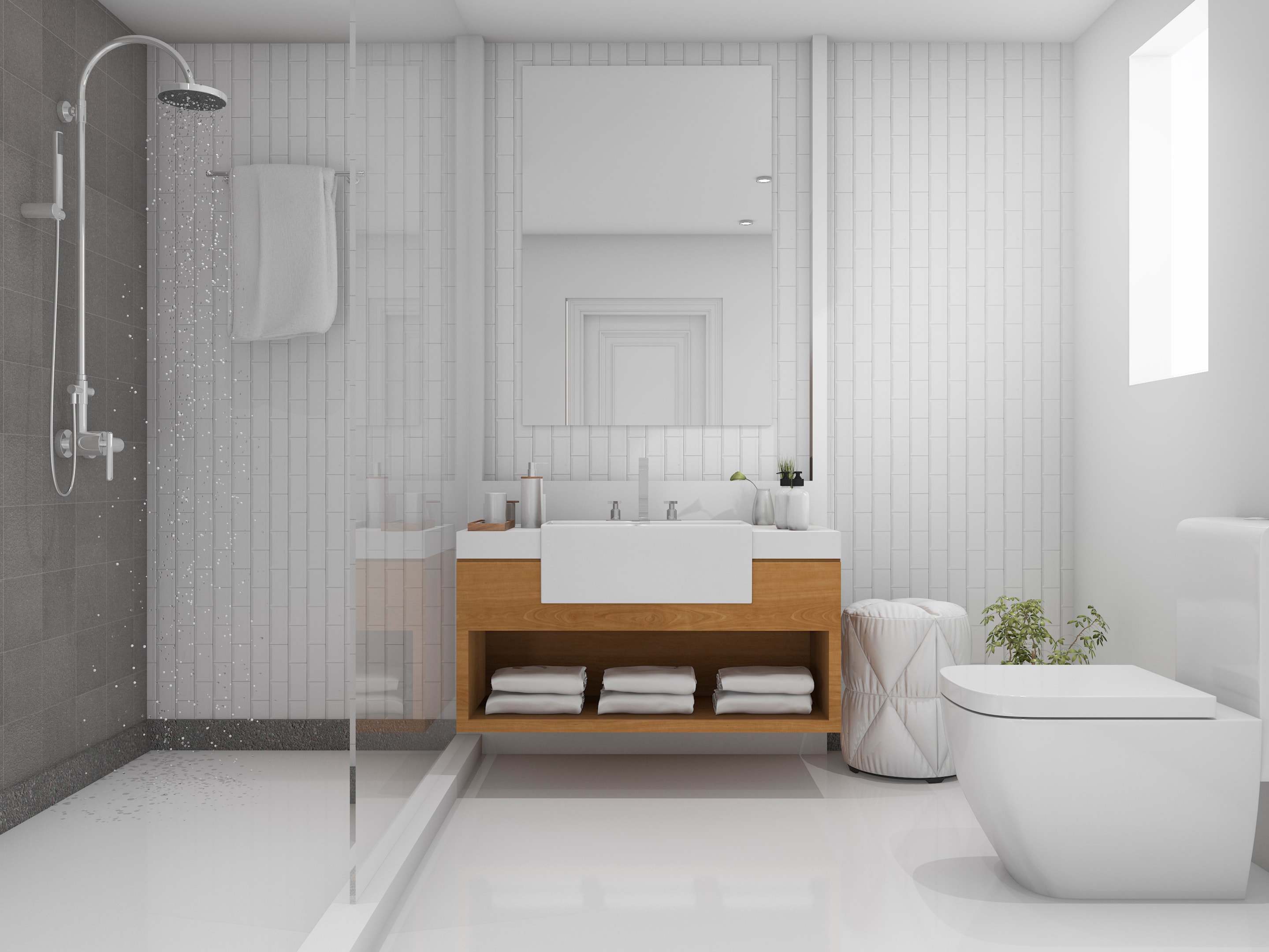
When I help homeowners design a basement bathroom, my philosophy is to make the most of every square meter. Whether your basement is a compact storage room or a larger open space, smart planning ensures your new bathroom feels comfortable and functions smoothly.

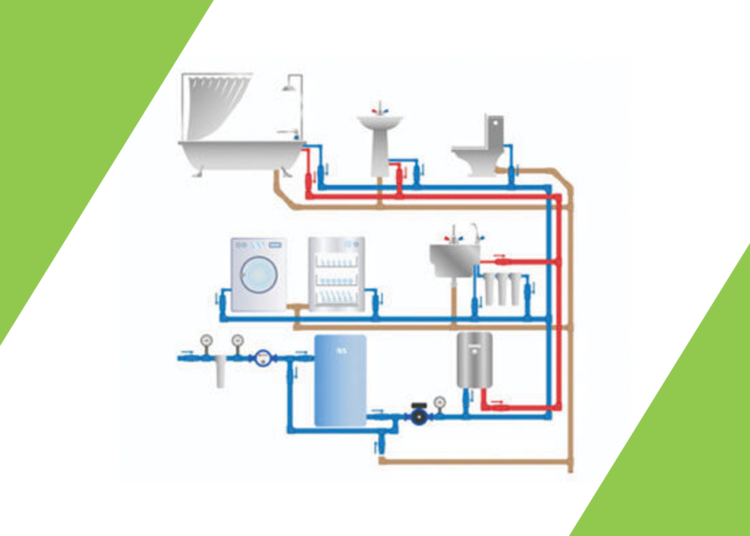
The first thing I advise is to map out where each plumbing fixture like the toilet, sink, and shower will go. Grouping these fixtures close together can simplify your basement bathroom plumbing and make it easier to run water supply lines efficiently.
For tight spaces, I often suggest using compact or wall-mounted fixtures that free up valuable floor area. A corner sink or a shower with sliding doors can make a small basement bathroom feel much larger.
Don’t forget about storage. Built-in shelves or recessed cabinets can keep toiletries organized without crowding the room.
And here’s a critical tip I always give for basements:Good lighting is essential in a basement, where natural light is often limited. Choose bright, moisture-resistant fixtures to keep the space feeling open and inviting. And always plan for proper ventilation to prevent water damage and keep the air fresh.
Three Ways to Build a Bathroom Without Destroying Concrete
Here are the three main ways to build a bathroom without breaking concrete. While some steps may need a professional, here’s how each works:
- Upflush Macerating Systems: This is the solution I recommend most often. The unit sits entirely above the floor, grinds waste, and pumps it away through a small pipe. The installation is quick, minimally disruptive, and can support a full bathroom. As Hunker (2024) notes, these systems offer unmatched flexibility.
- Sewage Ejector Pumps: This involves a small pit dug into the floor to collect waste. In my opinion, it’s more work to install but better for high-volume needs. I strongly recommend hiring a professional for this.
- Raised Platform Installations: You build a raised wooden platform over the concrete to house the new plumbing. This avoids cutting the slab but creates a step, which can be an issue for accessibility.
From what I’ve seen in most homes in Vietnam, upflush systems deliver the best blend of simplicity, adaptability, and minimal disruption.

Why Upflush Systems Fit Vietnam’s Needs So Well
In Vietnam’s densely built cities with monsoon flooding and limited space, upflush systems are uniquely suited for local needs:
- They install entirely above floor level, eliminating contact with groundwater or slab seepage risk, making them ideal for creating a new basement bathroom
- Their compact design works under stairs or in small utility rooms. This makes them perfect for narrow-family homes
- Installation requires no jackhammer or trenching, sparing your home from major mess and structural risk. With these systems, homeowners can easily add a bathroom or even a full bath in spaces that were previously considered unusable
From what I’ve observed, an installation can often be completed in just one day, while homes with traditional plumbing could take weeks and cost far more.
What Happens During Installation: Real-World Process
Let me explain this without confusing technical jargon, just what you need to know to feel confident:
- No jackhammer or dust: The installation begins quietly and cleanly, with no need to break through any concrete
- Discreet 1-inch piping: A small 1-inch pipe is installed neatly along a wall or corner, connecting the unit efficiently to the main sewer line
- Direct fixture connection: The toilet mounts directly to the pump unit, with built-in inlets ready to receive sink and shower drain connections
After the main plumbing fixtures are installed, the next steps in the process involve finishing the space. Proper venting and vents are essential to ensure the system is properly vented and maintains good flow.
Once the plumbing is complete, drywall is installed on the ceiling and walls, followed by paint and painting for moisture protection. Tiling is finished with tile or tiles for water resistance and aesthetics. The door is installed as a final step to complete the construction.
Depending on your needs, this process can result in a complete bath or just a toilet setup. Most DIYers with the right skill set can handle much of the construction, but some steps may require a professional. Be sure to read the rest of the article for more details.
You don’t just have to take my word for it; you can see this process for yourself. I often suggest that clients visit the official Zoeller Vietnam video library at https://vn.zoeller.com/videos/ to watch real installations in Vietnamese homes and businesses.
For an even closer look at the installation process of the Qwik Jon Premier, I also recommend you check out this detailed walk-through on YouTube: https://www.youtube.com/watch?v=kX4XZ-kU-f0
These videos will show you how the installation process of Qwik Jon pumps is truly neat, fast, and minimally disruptive to daily life, even in narrow townhouses in Ho Chi Minh City or Da Nang.
How to Choose the Right System for Your Home
These are the critical questions I advise homeowners to ask before purchasing:
- What is the pump’s lift height and run length? Be certain it can reach your main drain
- What are the electrical requirements? Always use a GFCI-protected outlet. For safety, my advice is to always hire a licensed electrician.
- Is a shut-off valve included with the supply line? This simplifies future service.
- What kind of support is available? My advice is to always look for products with strong, local service support. I have found the support that Zoeller provides in Vietnam to be very reliable, which is a key reason I recommend their systems.
From my perspective, choosing wisely now saves you costly headaches later.
Frequently Asked Questions
Will an upflush system really prevent flooding and leaks permanently?
Yes. Because the system is entirely above the floor and sealed, it eliminates foundational vulnerabilities. In my 15 years of installations across rainy zones, this approach consistently prevents basement water intrusion.
How long does installation take and will it disrupt my home?
Typically one to two days. No dust, no noise from jackhammers, and minimal disruption. You can have a fully functional bathroom back in your home before you know it.
Why do you recommend the Zoeller Qwik Jon system?
I recommend the Qwik Jon because I’ve seen it perform reliably in Vietnam’s humid, flood-prone climate. From my experience, it’s quiet, handles a full bathroom setup, and its local service support makes it a dependable choice for long-term use.
This article is by Tân Nguyễn, a Licensed Master Plumber and Technical Content Specialist at Zoeller Vietnam, with 15 years of experience in plumbing and pump technology.