
Selecting equipment for fluid transfer often appears straightforward until the fluid contains unpredictable solids, chemicals, and fibrous debris. Improper wastewater pump selection introduces severe operational risks, as handling raw sewage differs drastically from pumping clean water, especially when dealing with the unique challenges of industrial wastewater. In industrial applications, selecting the right industrial pumps is crucial for managing wastewater in factories, manufacturing plants, and other industrial facilities.
This guide serves key stakeholders in Vietnam’s industrial and infrastructure sectors. Supporting these diverse sectors requires robust engineering solutions. Zoeller, manufacturing high quality pumps in North America, has provided practical wastewater expertise to the most demanding environments since 1939. Zoeller also plays a key role in the wastewater treatment business, supplying pumps and services tailored to wastewater treatment plants and facilities.
주요 내용:
- The corrosive and abrasive nature of wastewater demands specialized equipment distinct from traditional clean water pumps.
- Proper pump selection must consider solids size, flow rate, head pressure, fluid viscosity, and chemical compatibility to ensure reliable long-term performance.
- Submersible sewage pumps, grinder pumps, and chopper pumps serve distinct roles depending on system pressure and debris type.
- Energy consumption dictates the majority of a pump’s lifecycle cost
- Smart monitoring technologies and regular maintenance increasingly prevent unexpected failures through predictive diagnostics.
What Makes Wastewater Pump Applications Different
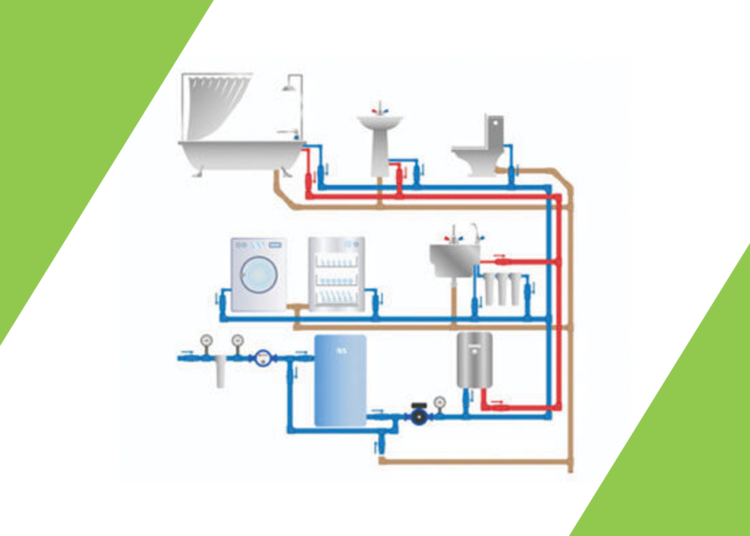
Industrial and municipal sectors in Vietnam face compounding environmental challenges. High humidity, severe flooding, and accelerated corrosion test equipment limits. Power fluctuations common in rapidly developing industrial zones stress electrical components, while monsoon drainage surges demand massive, immediate capacity. Visualizing these challenges through facility infographics often helps operators select systems capable of surviving these extremes. Improper pump sizing in these conditions can increase operating costs by 20–50%, and abrasive wastewater dramatically accelerates impeller wear without proper corrosion resistant materials.
The Main Wastewater Pump Types and Their Best Applications
Centrifugal wastewater pumps
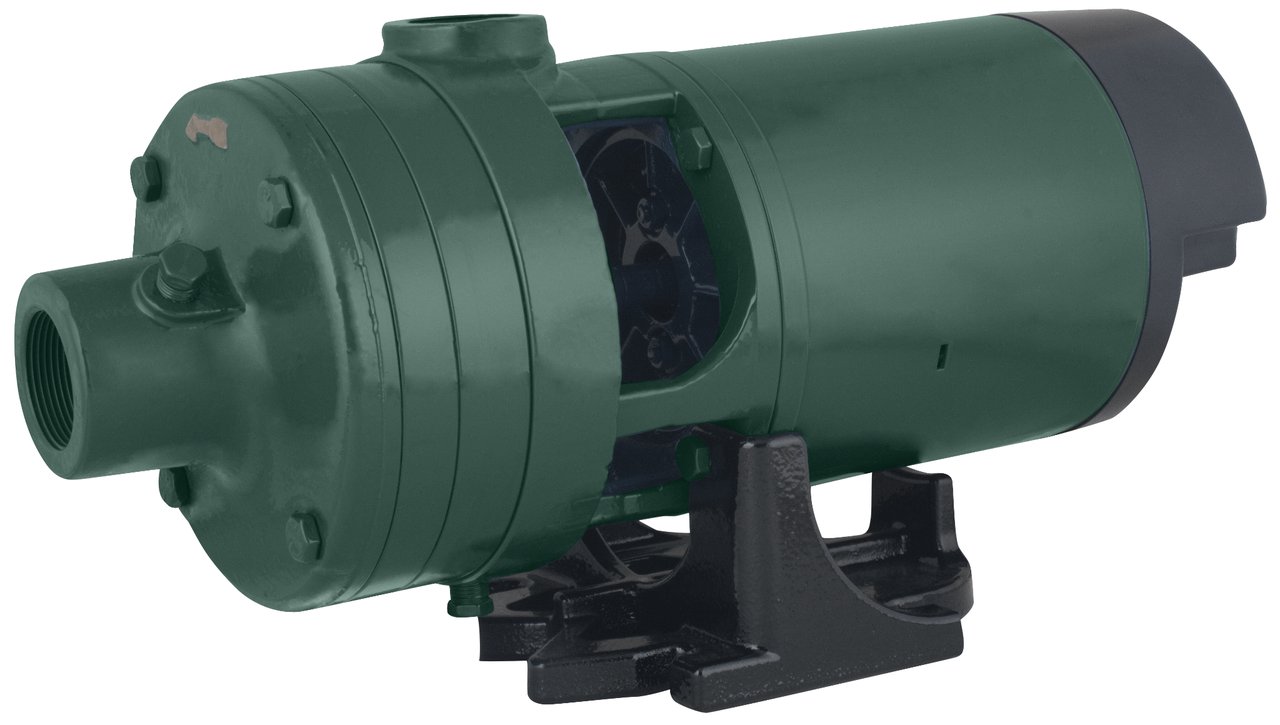
Centrifugal pumps utilize kinetic energy and centrifugal force to move liquids efficiently. These systems excel in high-flow applications, making them highly effective for municipal sewer lines, wastewater transfer systems, and municipal treatment plants. While efficient for transporting sewage with moderate solids, traditional centrifugal systems may struggle with thick sludge or extreme concentrations of fibrous debris.
Submersible sewage pumps
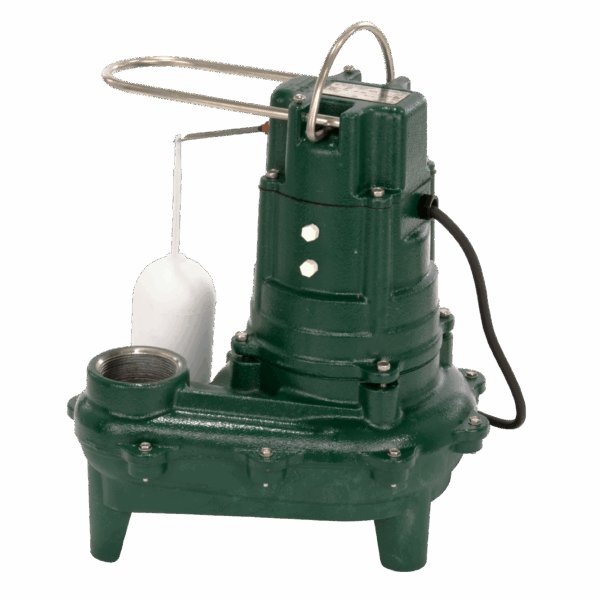
Designed to operate underwater, submersible sewage pumps remain the standard for lift stations, flood-prone areas, and basement sewage systems. These pumps are specifically designed to handle solids, ensuring reliable performance in challenging wastewater environments. Because they sit directly within the sewage tank or wet well, they require less surface space and offer the added benefit of exceptionally quiet operation.
Grinder pumps
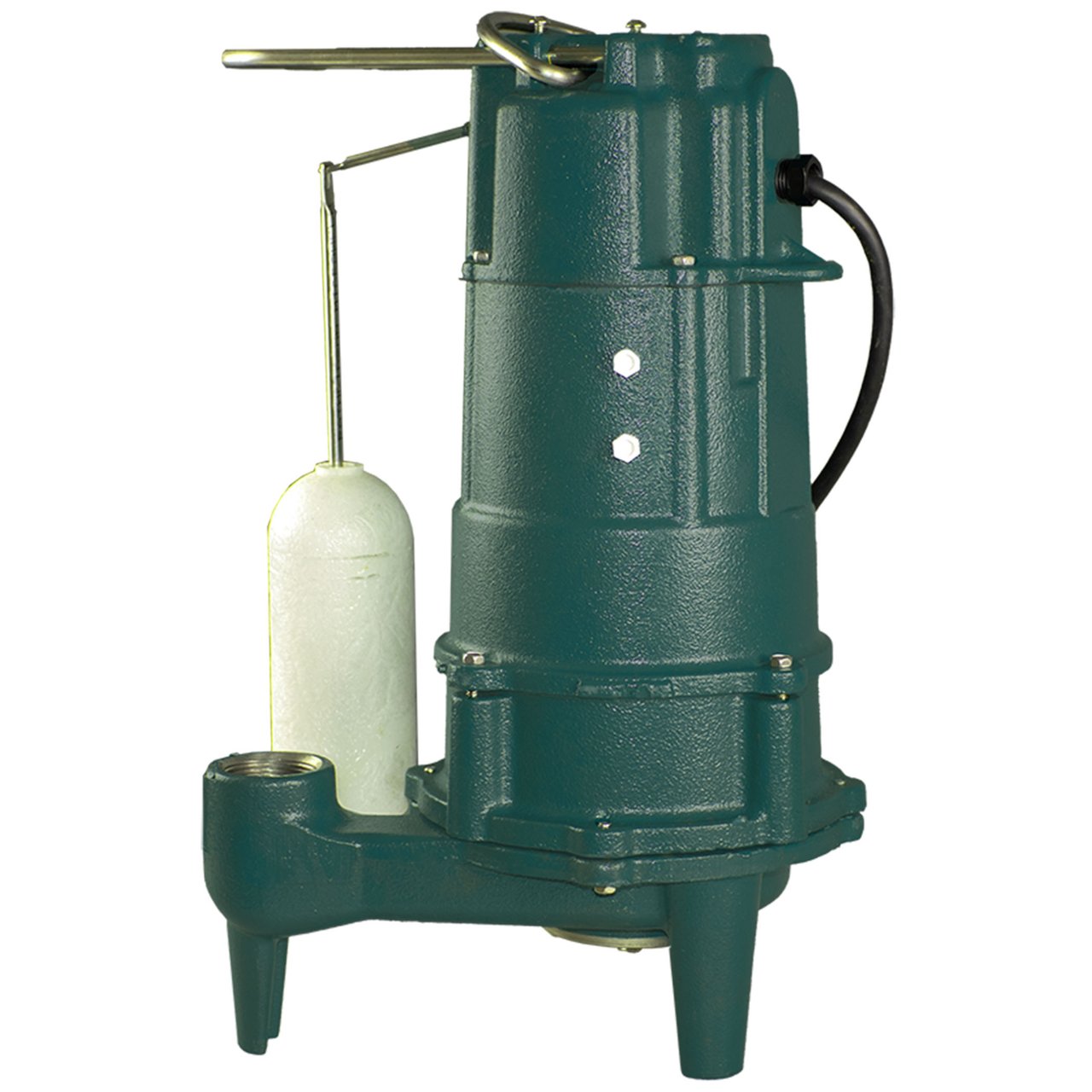
When transporting sewage with high head or through small-diameter pipe systems, grinder pumps provide an ideal solution. These units feature a specialized grinding mechanism that macerates waste into a fine slurry before pumping. This makes them suitable for residential developments and commercial facilities connecting to pressurized municipal systems where large solids would otherwise cause severe blockages.
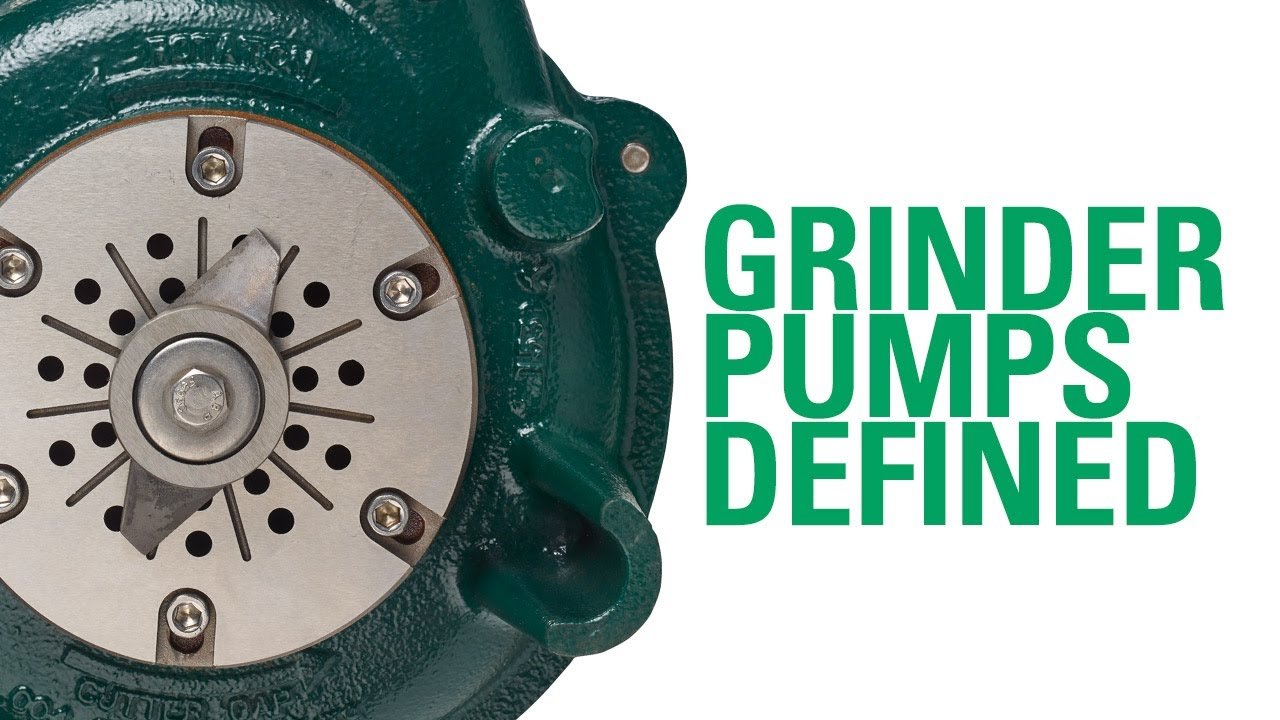
Chopper pumps

Agricultural operations and industrial facilities frequently encounter materials that destroy traditional sewage pumps. Chopper pumps feature sharpened components that continuously slice through food processing wastewater, textile fibers, and dense organic solids. This anti-clogging performance protects downstream treatment plants and maintains consistent flow in environments prone to debris buildup.
Progressive cavity pumps
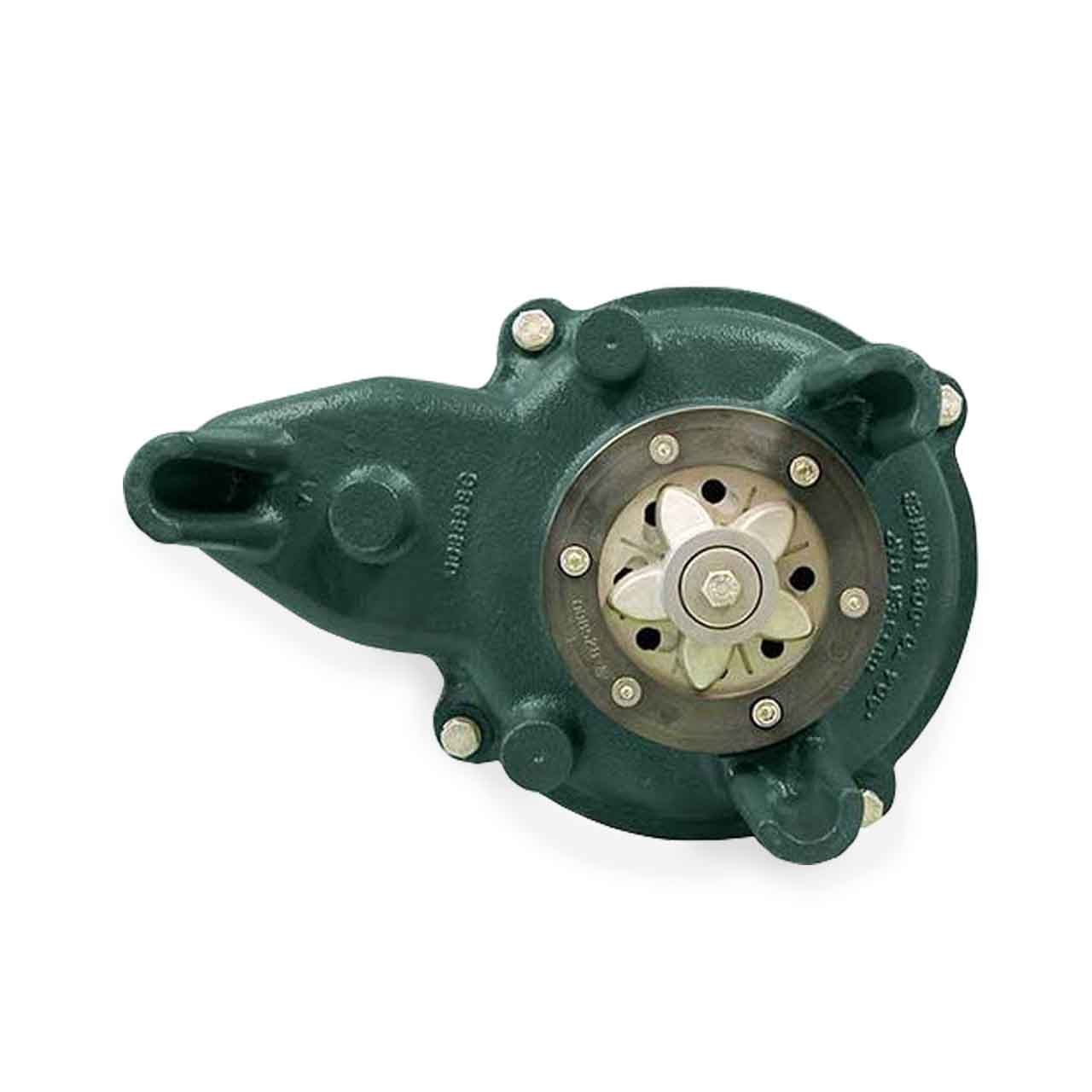
For thick, viscous materials, positive displacement technology outshines centrifugal force. Progressive cavity pumps deliver consistent flow under varying pressure conditions, making them the superior choice for sludge transfer and dewatering applications. Research from ScienceDirect (2024) indicates that progressive cavity pumps significantly improve sludge transfer consistency, easily managing dense agricultural waste and municipal sludge where traditional pumps lose efficiency.
Diaphragm pumps

Industrial and chemical facilities require specialized solutions for hazardous wastewater transfer. Air pressure pumps, specifically diaphragm pumps, offer excellent chemical compatibility and dry-run capabilities. Because they lack tight internal clearances and moving parts that rub together, they excel at handling abrasive slurry and highly corrosive liquids without sustaining catastrophic damage.
The Differences Between Wastewater Pump Types
Energy efficiency differences across wastewater pump systems
Lowest purchase price rarely translates to lowest operating cost. Continuous-duty efficiency considerations must guide procurement, as long-term electrical consumption drastically impacts facility budgets. Energy may represent roughly 70% of total pump lifecycle costs, making highly efficient models vastly more economical over a ten-year operating lifespan.
Maintenance frequency and repair complexity comparison
Maintenance managers must consider serviceability and the importance of proper maintenance to extend pump lifespan when evaluating different types of pumps. Submersible pumps require removal from the wet well for seal replacement or bearing wear inspection, demanding specific lifting equipment. Dry pit centrifugal pumps offer easier accessibility, reducing service downtime. Routine maintenance expenses often exceed initial equipment costs over long operating periods. Pumps in the wastewater treatment industry experience high levels of wear and tear due to the corrosive and abrasive nature of the fluids.
Installation requirements and space considerations
Wet well systems utilizing submersible pumps save valuable above-ground space, whereas dry pit installations require larger dedicated equipment rooms but offer superior accessibility planning. Horizontal sewage pumps are typically installed in dry pump rooms for optimal operation and safety. Underground installations demand careful engineering for electrical routing and guide rails.
Choosing the Right Wastewater Pump for Specific Applications
| Application Segment | Recommended Pump Type | Primary Use Case | Technical Priorities & Challenges |
|---|---|---|---|
| Municipal & Treatment Infrastructure | Large-capacity Centrifugal, Progressive Cavity (PC), Dry-pit Pumps | Main lift stations, influent pumping, sludge recirculation, dewatering, and efficient movement of treated water after contaminants are removed. Dry-pit pumps are installed in a dry area next to the wet well and are best for large-scale municipal or industrial plants. | High flow requirements; precise, metered flow for optimal sludge management; reliable handling and transfer of treated water. |
| Industrial Manufacturing | Chopper Pumps, Corrosion-resistant specialty models | Chemical wastewater, abrasive slurries, food processing waste, and textile fibers. | Specialized mechanical seals; resistance to aggressive chemical corrosion and organic clogging. |
| Commercial & High-rise Developments | Compact Submersible Sewage Pumps, Sump Pumps, Sewage Ejector Pumps | Basement drainage (sump pumps are commonly used for basement water removal), sewage ejector systems (sewage ejector pumps are best for homes where a bathroom is located below the main sewer line, often in low lying areas), and integrated stormwater management. | Space-saving footprint; quiet operation; seamless integration with Building Management Systems (BMS). |
| Agriculture & Aquaculture | Heavy-duty Chopper, Progressive Cavity (PC) | Organic solids management (Mekong Delta), saline or acidic environments, and pond drainage. | Extreme durability in harsh conditions; ability to handle high-viscosity waste and abrasive contaminants. |
| Flood Control & Stormwater | High-flow Submersible Centrifugal Pumps, Axial Flow Pumps | Urban flood mitigation and emergency monsoon drainage for critical infrastructure (axial flow pumps are frequently used for flood control and large-scale drainage due to their ability to move massive volumes of water at low pressure). | Rapid deployment capabilities; massive discharge capacity to prevent structural flooding. |
How Smart Wastewater Pump Systems Are Changing Modern Operations
Remote monitoring and predictive maintenance technology
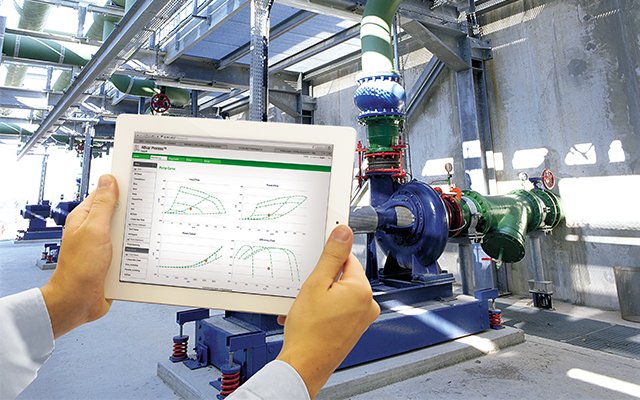
Industrial and municipal facilities increasingly rely on IoT monitoring to oversee complex systems. Smart sensors continuously track vibration analysis and electrical draw, feeding data into failure prediction systems. Remote diagnostics allow maintenance teams to identify issues before they cause catastrophic failure, significantly reducing unplanned downtime.
Variable frequency drives and energy optimization
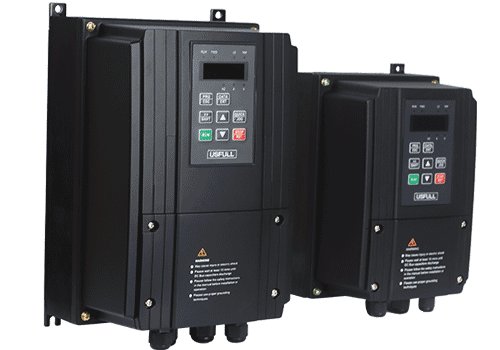
Cost-conscious operators utilize variable frequency drives to match pump speed exactly to system demand. This dynamic flow adjustment eliminates severe power spikes and reduces mechanical stress. Variable-speed pumping systems may reduce energy consumption substantially depending on operating conditions, optimizing the entire treatment process.
Why lifecycle cost matters more than upfront pricing
Modern procurement decision-making requires comprehensive long-term ROI analysis. Evaluating lifecycle costs involves calculating initial pricing, labor and maintenance realities, and downtime cost considerations. Data confirms that high quality pumps designed for specific applications easily recover their higher initial costs through extended reliability.
Sustainability and environmentally responsible wastewater infrastructure
Municipal and infrastructure planners face increasing pressure to meet energy reduction goals and strict environmental regulations. Sustainable wastewater management trends require highly efficient equipment that minimizes power consumption. Modern systems contribute to these green initiatives by eliminating energy waste and preventing environmental contamination.
결론
Effective wastewater management relies on matching specific applications to the right equipment, transforming standard purchases into strategic lifecycle investments. Coupled with routine maintenance to prevent devastating downtime, properly selected pumps deliver decades of reliable service. With 85+ years of proven expertise in demanding wastewater applications, Zoeller delivers reliable, high-performance pumping solutions backed by American engineering and dedicated local support in Vietnam. To ensure your municipal, industrial, or commercial project achieves optimal performance, lowest lifecycle costs, and maximum uptime, contact our technical specialists today for a free system assessment and expert recommendation tailored to your specific fluid conditions and site requirements.
자주 묻는 질문
What are the most common maintenance requirements for these systems?
Routine maintenance involves inspecting mechanical seals, checking impeller clearances, and verifying cable integrity. Facilities must regularly clear grease from wet wells and monitor vibration to detect early bearing wear. Adhering to manufacturer lubrication guidelines is essential for preventing breakdowns and maximizing equipment lifespan.
What is the difference between a grinder pump and a chopper pump?
Grinder pumps macerate waste into a fine slurry for high-pressure, small-diameter residential piping. Chopper pumps use sharpened blades to slice through fibrous materials and large solids in high-flow industrial and agricultural systems. Each serves distinct hydraulic requirements based on debris type and pipe scale.
How can facilities reduce energy consumption in existing pumping systems?
Upgrade to high-efficiency motors and integrate Variable Frequency Drives (VFDs) to align output with actual demand. Avoid oversizing to prevent energy-draining rapid cycling. Additionally, regular maintenance to replace worn components and clear blockages restores lost hydraulic efficiency.




 English
  简体中文
简体中文  Tiếng Việt
  繁體中文
繁體中文  한국어
한국어  日本語
日本語