
One pump failure can shut down an entire residential tower. For property developers and managers in Vietnam, plumbing failure frequently results in devastating financial losses and ruined reputations. If we want to understand how to truly protect real estate investments, we must stop viewing wastewater systems as mechanical accessories and start treating them as critical asset protection infrastructure.
Vietnam’s realities, ultra-high-rise urban density, deep multi-level basement parking structures, severe monsoon flooding, and aggressive tropical humidity, demand engineered solutions. A failing household waste water pump instantly becomes a developer crisis. Building on the fourth-generation leadership and manufacturing credibility of pioneers like Zoeller, we see that long-term operational authority stems directly from uncompromising engineering. Our purpose is to equip developers and property managers with the core insights needed to choose reliable options that endure Vietnam’s harshest conditions.
What You’ll Find:
• The hidden financial risks of wastewater failure in residential projects
• Key criteria for evaluating tropical climate durability and power stability
• Total cost of ownership realities compared over a 10-year lifecycle
• Common specification mistakes that drain building maintenance budgets
• Best application pairings for different residential developments
Why Household Wastewater Pumps Matter More Than Developers Realize
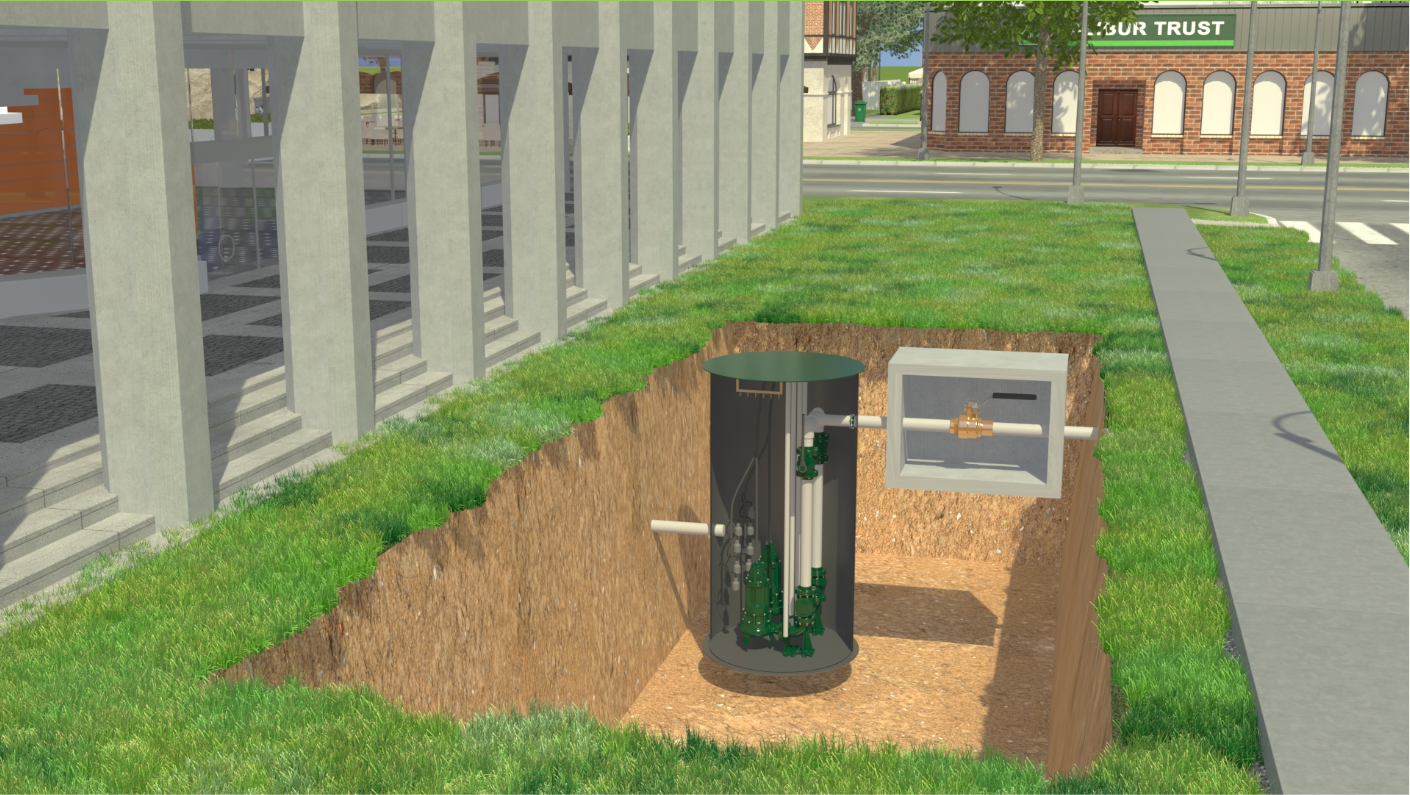
According to a World Bank report, inadequate or deferred maintenance of infrastructure, including water systems, can increase capital costs by more than 60 percent in the water sector over the lifecycle, leading to greater rebuilding expenses and economic impacts. When a household waste water pump fails, emergency repair costs vastly outweigh preventive specification. Furthermore, data from the Asian Development Bank and related analyses shows that urban centers like Ho Chi Minh City and Hanoi face unprecedented urban drainage overload during monsoon seasons. This puts immense combined pressure on systems that must work flawlessly to keep deep basements dry.
Understanding Household Wastewater Pump Types for Residential Buildings
In many cases, gravity cannot be used to drain wastewater from low-lying areas, such as basements or below-grade rooms. In these situations, a household wastewater pump provides the necessary force to lift waste, preventing sewage backups and flooding. Proper sewage transport is essential to prevent groundwater contamination and exposure to harmful bacteria.
Sump pumps are frequently used in residential wastewater systems, especially in sump pits, to prevent flooding. Reliable level sensors and automation are crucial for the effective operation of sump pumps, ensuring timely activation and deactivation. Measurement devices or sensors, such as pressure and level sensors, can be connected in series to enable comprehensive monitoring of liquid levels and other parameters in wastewater systems, supporting efficient and safe operation.
Submersible sewage pumps for high-rise buildings
In high-density buildings managing massive volumes of heavy domestic wastewater, the submersible pump is the industry standard. These systems boast exceptional solids handling capacity and vertical discharge advantages that push waste upward to municipal lines. The most reliable systems are equipped with a vortex impeller, an engineered component that enables the safe passage of stringy solids by creating a whirlpool effect, practically eliminating mechanical clogs.
Grinder pumps for low-slope or pressure sewer systems
Grinder models are designed to actively cut and macerate solid waste into a fine slurry. This makes them perfectly suitable for low-slope developments or systems feeding into high-pressure sewer mains. However, knowing when developers truly need them is vital; using a grinder unit in a standard gravity-fed high-rise wastes energy.
Effluent pumps for greywater systems in mixed-use projects
Effluent pumps process greywater, liquid waste with a significantly lower volume of solids, such as discharge from washing machines, showers, and kitchens. Separating greywater and using dedicated, highly energy-efficient effluent models can substantially reduce a building’s overall electrical load.
Key Performance Criteria Developers Should Evaluate Before Specification
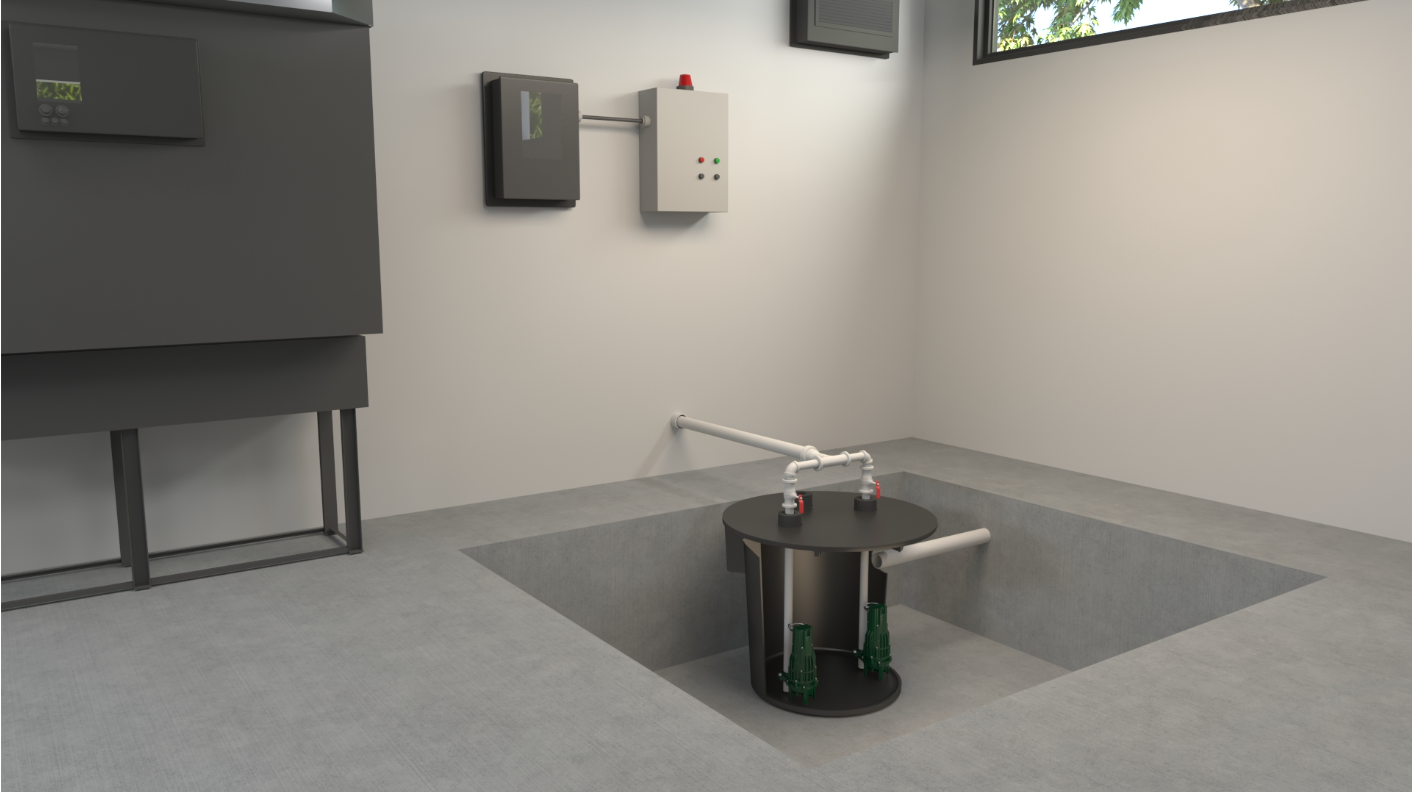
Flow rate and head calculation for Vietnamese residential towers
Developers must account for extreme basement depth considerations and the substantial vertical lift required in 15 to 30-story buildings. If calculated improperly, the pump operates outside its ideal curve, leading to premature motor burnout.
Tropical climate durability requirements
Tropical climate durability is non-negotiable in Southeast Asia. Proper seal design prevents moisture intrusion into the electrical housing. Furthermore, rigorous material selection, such as utilizing marine-grade stainless steel and heavy-duty cast iron, ensures the system survives constant exposure to corrosive liquid and humidity.
Noise levels in residential environments
Developers must evaluate the decibel ranges of any lifting station operating near living spaces. Proper vibration isolation must be engineered into the systems to prevent low-frequency motor hums from echoing up foundation walls.
Power stability and surge protection in Vietnam
Voltage fluctuation is a consistent threat to mechanical infrastructure. Without robust motor protection systems, thermal overload sensors, and phase-loss safeguards integrated directly into the control panels, a sudden power surge can instantly destroy a building’s entire domestic wastewater removal network.
Total Cost of Ownership Over 10 Years
According to a comprehensive analysis published on Hydraulic Institute, the initial purchase price typically represents less than 15% of a pumping system’s total lifecycle cost. The real financial burden lies in maintenance frequency, routine seal replacement, energy consumption, and operational labor.
Spare parts availability in Vietnam
If a manufacturer lacks local distributor support and inventory transparency, lead times for spare parts could stretch to weeks. Having a wide range of products means nothing if the exact replacement components are not physically stocked in Vietnam during a flooding emergency.
Warranty depth and manufacturer stability
Historical manufacturer stability outweighs global conglomerates facing quarterly profit pressure. A concrete example of this longevity is a school and church facility in Ohio that relied on Zoeller reversing grinder pumps in their lifting station for 27 continuous years. Because the equipment was meticulously engineered by a stable, family-owned manufacturer, it managed the facility’s heavy domestic wastewater for nearly three decades, completely shattering the standard 8-to-10-year industry expectation.
Installation and Commissioning Best Practices for Residential Developments
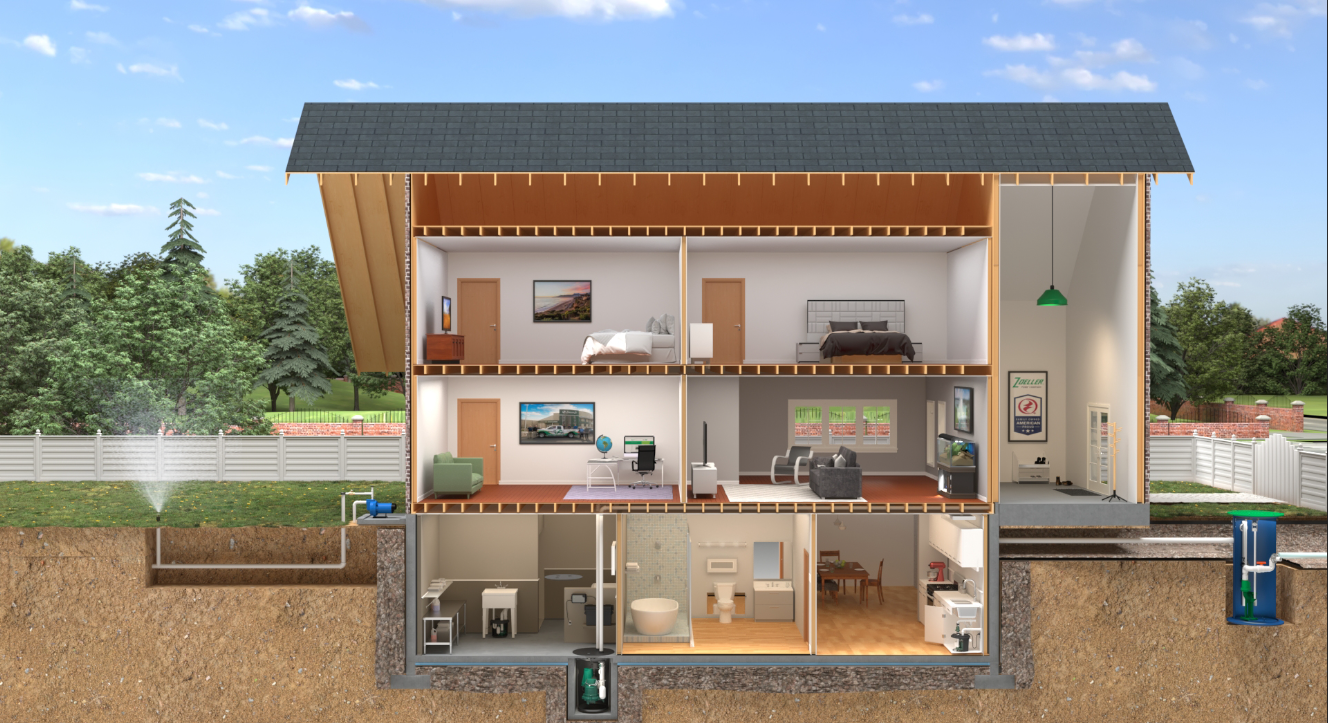
Proper float switch configuration
A highly reliable system requires multiple levels of mechanical redundancy. Installers must configure alternating float setups accompanied by independent, battery-backed high-water alarm systems that instantly alert facility management the moment water levels rise dangerously.
Backup power planning for high-rise basements
When severe monsoon storms hit, power grids often fail precisely when wastewater systems are needed most. Proper backup power planning involves seamless generator integration combined with robust battery backup systems dedicated solely to the basement pumps, ensuring continuous liquid removal during a blackout.
Testing protocols before building handover
Research from ISO 9906 and related standards emphasizes the necessity of rigorous hydraulic performance acceptance testing for rotodynamic pumps and fluid systems, including grades for accuracy in testing procedures to ensure reliability under operational stress. Before a building is handed over to the property management team, the systems must undergo severe stress testing, including simulated peak flow events and live power-cut transitions, to guarantee performance under duress.
Best Household Wastewater Pump Options by Residential Application
Aligning the specific equipment with the architectural reality is vital for maximum efficiency.
High-rise apartment towers
For towering residential blocks, the absolute standard must be a duplex system featuring dual pump redundancy. These lifting stations require massive high head capacity to successfully push dense sewage from deep underground parking structures to municipal connections.
Mixed-use commercial residential complexes
In sprawling complexes that blend retail spaces and residential apartments, implementing dedicated greywater lines utilizing high-efficiency effluent models allows the heavier-duty sewage pumps to focus entirely on solid blackwater removal, maximizing the building’s energy efficiency.
Villas and low-rise developments
For smaller luxury villas and low-rise developments, sprawling multi-pump stations are unnecessary. Utilizing a compact submersible system provides necessary cost-efficiency while offering the exact engineered power needed for quiet, reliable daily home use.
Conclusion
As Vietnam’s urban landscape continues to rise vertically, the pressure placed on internal building systems grows exponentially. Treating wastewater infrastructure as a cost center rather than a critical asset exposes developers to compounding risks ranging from structural damage to reputational loss. Long-term resilience must take precedence over short-term savings.
For developers, consultants, and contractors, the most effective safeguard begins early. Engaging with experienced technical engineers during the design and specification phase ensures that every system is properly sized, environmentally compatible, and built for decades of uninterrupted performance. To secure that level of reliability, engage with Zoeller’s technical team at the start of your project and ensure your wastewater system is engineered right from day one.
Read more: How to Select the Appropriate Submersible Pump for Industrial and Commercial Use
Frequently Asked Questions
How do we accurately calculate the correct flow rate and head for a 30-story apartment basement?
Accurate calculation requires analyzing peak domestic usage, the vertical lift from the pit to the sewer tie-in, and pipe friction loss. Early consultation with a specialized pump engineer is essential for precise system sizing and motor longevity.
What is the primary difference between a submersible sewage pump and a grinder pump?
Sewage pumps use vortex impellers to pass whole solids, making them ideal for standard gravity-fed connections. Grinder pumps utilize cutting mechanisms to shred waste into a fine slurry, which is necessary for high-pressure or low-slope sewer mains.
What stress testing steps should we take before officially accepting the building handover?
Simulate pit flooding to trigger primary and secondary float switches and verify high-water alarms. Additionally, perform a live power-cut simulation to ensure backup generators provide immediate, reliable power to the pumps during a blackout.
This article is by Tân Nguyễn, a Licensed Master Plumber and Technical Content Specialist at Zoeller Vietnam, with 15 years of experience in plumbing and pump technology.




 English
  简体中文
简体中文  Tiếng Việt
  繁體中文
繁體中文  한국어
한국어