
With over 15 years of field experience and more than 200 sump installation projects across Ho Chi Minh City, Binh Duong, Dong Nai, and Long An, I have seen the same selection mistakes made regularly. A typical example: a 1HP submersible pump with float switch set too close, motor short-cycling and overheating in heavy rain. After recalculating the total dynamic head and adjusting the float levels, the system ran reliably. The issue is rarely the 1HP rating alone, it comes down to selecting the right dirty water pump for the application, then installing it correctly.
5 Key Points:
- A 1HP submersible pump suits many residential, basement, and construction applications, but verify the pump curve against your actual system head before purchase.
- IP68 means the unit is rated for continuous submersion beyond 1 m (IEC 60529). Verify the IP rating, fluid temperature limits, and duty cycle in the model-specific datasheet.
- A 220V single-phase electric supply suits most Vietnamese sites, but wet environments still require a correctly rated MCB, RCD/ELCB, and properly sized earthing to ensure safe operation.
- An automatic float switch provides regular basement flood protection, but only when sump volume, discharge pipe, and check valve are also correctly specified.
- Confirm the model number, compatible accessories, and installation procedure before purchase to ensure long-term efficiency and service.
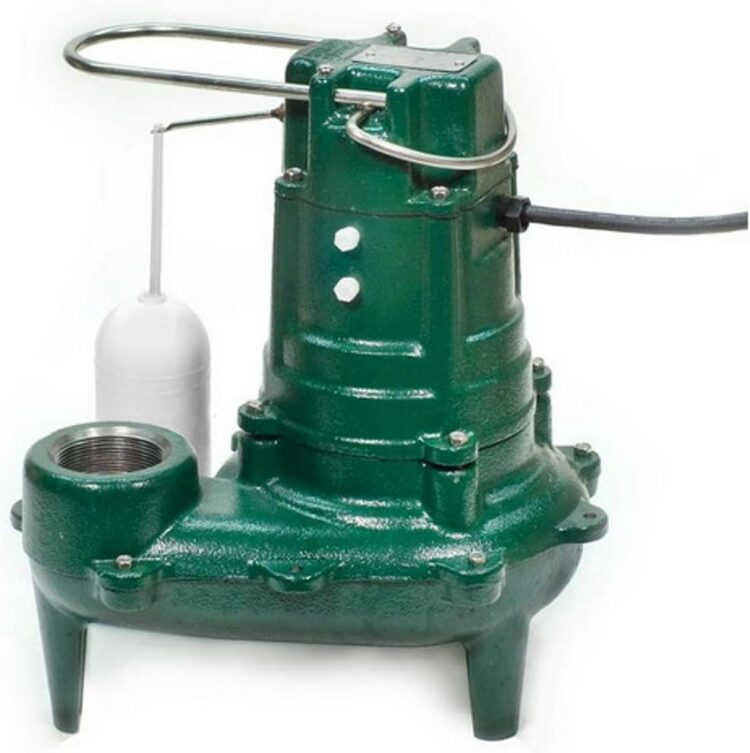
Dirty Water vs Clean Water Submersible Pump, What Is the Difference?
Not all submersible pumps handle dirty water. A clean water pump is designed only for clear, particle-free water, using it to pump dirty water containing suspended solids, silt, or debris will rapidly damage the impeller and seal. A dirty water submersible pump is specifically engineered to handle dirty water, including stormwater, construction runoff, wastewater, and dirty water effluent carrying particles up to the model’s rated free-passage diameter.
Đối với hầu hết công trình dân dụng, tầng hầm và công trường, bơm chìm nước thải cánh vortex (cánh xoáy) là lựa chọn đúng. Bơm chìm nước thải 1HP xử lý hạt rắn 20–35 mm đáp ứng tốt đa số công trình. Không thay thế bơm chìm nước sạch vào ứng dụng nước thải nếu chưa có xác nhận từ nhà sản xuất.
Clean Dirty Water, Matching the Pump to the Fluid
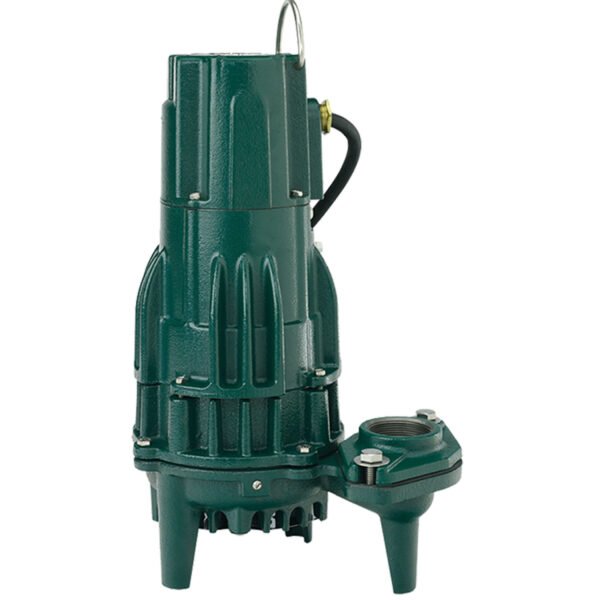
Nước chỉ chứa ít cặn lơ lửng, không có rác dạng sợi phù hợp với bơm chìm cánh vortex tiêu chuẩn. Bơm chìm loại này phổ biến nhất cho hố thu tầng hầm dân dụng và nhu cầu thoát nước thông thường.
Nước có nhiều bùn, cát, sỏi hoặc vật liệu dạng sợi cần bơm chìm có tiết diện thông dòng lớn hơn. Nước hố thu công trường lẫn cát, bê tông và tạp chất mịn cần bơm chìm chuyên dụng cao hơn dân dụng. Khi đánh giá model bơm chìm, kiểm tra kích thước hạt rắn tối đa và chu kỳ vận hành trong tài liệu kỹ thuật.
Swimming Pool, Garden, and Regular Drainage Applications
Beyond basement and construction work, a 1HP dirty water submersible pump is ideal for:
- Swimming pool drainage, removing dirty water and sediment from swimming pool sumps or pool surrounds after heavy rain
- Garden and landscape drainage, clearing dirty water from low-lying garden areas, flooded lawns, and rainwater collection pits
- Regular agricultural drainage, pushing dirty water from irrigation channels and flooded paddocks
- Construction site dewatering, removing dirty water and muddy runoff from excavations and construction trenches
For swimming pool and garden work, confirm the dirty water pump is rated for the fluid temperature and particle load at your site.
Ứng Dụng Bơm Chìm Nước Thải 1HP – Từ Hồ Bơi Đến Công Trường
Dù cùng công suất 1HP, bơm chìm nước sạch không thay thế được bơm chìm nước thải. Motor bơm chìm nước sạch không được thiết kế cho môi trường có hạt rắn; cánh bơm chìm sẽ nhanh mòn và phớt cơ khí bị hỏng. Luôn xác nhận loại bơm chìm phù hợp trước khi lắp đặt.
Bơm Chìm Thoát Nước Hồ Bơi và Sân Vườn
Flow rate for a 1HP dirty water submersible pump typically ranges from 120 to 250 litres per minute at low head, dropping as head increases. Read the flow rate from the specific model’s pump curve at your calculated Total Dynamic Head (TDH), not from a generic flow rate summary. Calculate TDH: static discharge elevation, plus pipe friction losses from pipe length and diameter, plus fitting losses from elbows, check valves, and reducers. Only after calculating TDH can you confirm whether the dirty water pump’s flow rate meets your requirement.
Bơm Chìm Nông Nghiệp và Tưới Tiêu
A foot valve at the pump intake maintains prime and prevents dirty water backflow when the motor stops. For dirty water service, ensure the foot valve is rated for dirty water with debris and inspected as part of the regular maintenance schedule. A blocked foot valve is a common cause of dirty water pump failure where debris accumulates around the intake. In systems with a long vertical discharge, a foot valve also reduces start-up load on the electric motor. Distance from pump to discharge determines friction losses, calculate pipe friction for every metre of horizontal and vertical distance in your dirty water system.
Stainless Steel vs Cast Iron, Efficiency and Durability in Dirty Water Service
Housing material directly affects efficiency and service life in dirty water applications:
Stainless steel (304 or 316 grade on selected models) delivers great long-term efficiency in dirty water environments with elevated salinity, chlorine, or low pH. Stainless construction resists surface corrosion that reduces efficiency and weakens cast housings over time.
Cast iron offers great mechanical strength and great resistance to impact in dirty water applications containing heavy grit, small stones, or construction debris. Great for heavy duty construction dirty water service where the unit must handle rough treatment and abrasive dirty water.
The right 1HP dirty water pump is the one whose construction matches dirty water chemistry and debris load, confirmed in the model datasheet, not price alone.
How to Choose a 1HP Dirty Water Submersible Pump
Selecting the right 1HP dirty water pump requires systematic evaluation of flow rate, head, fluid type, and duty cycle, the decisions that determine whether the unit delivers great efficiency over its service life.
1HP vs 1.5HP, Which Unit Suits Your Dirty Water System?
For most basement sump and construction dirty water applications, a 1HP unit is a great starting point. A larger unit is not always better: if the sump is small and the dirty water pump is oversized, short-cycling occurs, the motor switches on and off rapidly, increasing wear and reducing efficiency. If your calculated TDH or flow rate requirement exceeds the 1HP dirty water pump’s published curve, a 1.5HP unit is the right step up.
Base the decision on flow rate, TDH, and dirty water particle load, not a general power upgrade. A great 1HP dirty water submersible pump at its ideal operating point delivers better long-term efficiency than an oversized unit short-cycling in a small basement sump.
Heavy Duty Construction Applications, What to Look For
Heavy duty 1HP dirty water submersible pumps are built for construction site service where regular dirty water operation at elevated duty cycles is required. Great heavy duty features include: reinforced impellers for abrasive dirty water and construction debris, heavy duty shaft seals for continuous dirty water duty, and heavy duty construction-grade housing for rough site handling. Always confirm the unit’s heavy duty rating covers the specific dirty water particle size and debris type at your construction site.
Vertical Installation and Electric Motor Performance
Dirty water submersible pumps are designed for vertical installation, fully submerged. Installing a vertically designed dirty water unit horizontally impairs electric motor cooling, reduces seal life, and destabilises the float. Confirm the permitted installation orientation and ensure the electric motor is rated for the supply voltage before commissioning.
A permanently lubricated electric motor with double mechanical seals ensures consistent efficiency in continuous dirty water service. Confirm whether the unit’s electric motor carries integral thermal overload protection or requires an external relay.
1HP Horizontal Submersible Pump – Flexible Installation for Shallow Sumps What Is a Horizontal Pump and When to Use It? A horizontal submersible pump is installed horizontally when the sump is shallow or lacks vertical height clearance. It operates in very shallow water (2–5 cm), making it ideal for flat factory floors and irrigation channels. Horizontal Submersible Pumps in Factories and Projects Horizontal pumps suit flat workshop floors, shallow channels, and shallow pools. Confirm the motor rotation supports horizontal operation; do not install horizontally if restricted to vertical placement by the manufacturer. Comparing Horizontal and Vertical 1HP Submersible Pumps Vertical installation is standard; horizontal installation is an alternative for shallow sumps. After installing a horizontal pump, check for abnormal vibration and noise during the first 30 minutes of operation.
Basement Sump Efficiency, Regular Maintenance and Float Switch Settings
Maximising Basement Dirty Water Pump Efficiency
Basement dirty water pump efficiency depends on the full system, not the unit alone. The float switch position determines start and stop levels in the basement sump. Setting the float too close causes short-cycling, rapid ON/OFF switching that reduces efficiency, overheats the motor, and shortens service life. For a basement sump, the float differential should ensure sufficient dirty water volume accumulates between cycles so the motor achieves an efficient operating temperature before switching off.
Great efficiency from a basement dirty water pump is achieved at 8–12 start cycles per day with adequate run time per cycle. A regular inspection of the float switch position is the simplest efficiency improvement available at no cost.
Regular Maintenance Schedule for Dirty Water Pump Service

Regular maintenance ensures the dirty water submersible pump operates at peak efficiency and service life:
- Regular inspection of the foot valve, float switch, and discharge check valve, quarterly minimum for regular dirty water service
- Regular cleaning of the pump intake and impeller when dirty water carries silt, fine construction debris, or fibrous material
- Regular testing of the electric supply: MCB condition, RCD/ELCB trip test, and cable insulation resistance in the wet basement environment
- Regular review of run hours and flow rate output against the original pump curve to detect early efficiency loss
A regular maintenance programme is the most cost-effective tool for maximising dirty water submersible pump service life, this work pays back many times over in avoided emergency call-outs.
Ready to Select Your 1HP Dirty Water Submersible Pump?
Before contacting technical support, prepare: basement sump depth, discharge elevation, pipe length and distance, number of fittings, dirty water fluid type and maximum particle size, supply voltage, and automation requirements, so the recommendation is grounded in your actual flow rate, TDH, and dirty water characteristics.
Contact us via Hotline or visit vn.zoeller.com for datasheet, stock availability, accessories, sale terms, warranty, and installation guidance for your dirty water application.
常见问题解答
Can a 1HP Dirty Water Pump Handle Residential Wastewater?
Yes, a 1HP dirty water submersible pump is a great tool for residential wastewater, basement sump, and construction dirty water service. Confirm the model is rated for dirty water at your particle size. Clean water pumps must not be used for dirty water service, understand the clean dirty water boundary before selecting. The float switch ensures the unit starts automatically when dirty water rises in the basement, even when no one is on site.
Is 1HP the Right Power Level for My Dirty Water System?
1HP is the right starting point for most residential basement and construction dirty water applications. Use calculated TDH and required flow rate to confirm the unit is correctly sized. A 1.5HP unit is appropriate when flow rate or total head exceeds the 1HP dirty water pump’s published curve. Ensure the electric supply is rated for the motor’s running current and start-up surge.
What Is the Realistic Service Life of a 1HP Dirty Water Submersible Pump?
Service life depends on daily run hours, dirty water quality, debris particle size, voltage stability, and regular maintenance. Systems with correctly calculated TDH, proper float differential, adequate electric protection, and a regular inspection schedule regularly achieve 8–10 years of reliable dirty water service. Cross-reference the unit’s warranty and maintenance schedule before purchase.For technical enquiries, contact the Zoeller Vietnam team at vn.zoeller.com. Always request the full model datasheet, IOM manual, and warranty documentation before purchase.




 English
  简体中文
简体中文  Tiếng Việt
  繁體中文
繁體中文  한국어
한국어